{# Full-card overlay link so clicking the image also follows the CTA. Decorative/hidden
from assistive tech since the visible CTA text below is the real accessible link. #}
{# Full-card overlay link so clicking the image also follows the CTA. Decorative/hidden
from assistive tech since the visible CTA text below is the real accessible link. #}
 {# Full-card overlay link so clicking the image also follows the CTA. Decorative/hidden
from assistive tech since the visible CTA text below is the real accessible link. #}
{# Full-card overlay link so clicking the image also follows the CTA. Decorative/hidden
from assistive tech since the visible CTA text below is the real accessible link. #}
 {# Full-card overlay link so clicking the image also follows the CTA. Decorative/hidden
from assistive tech since the visible CTA text below is the real accessible link. #}
{# Full-card overlay link so clicking the image also follows the CTA. Decorative/hidden
from assistive tech since the visible CTA text below is the real accessible link. #}
 {# Full-card overlay link so clicking the image also follows the CTA. Decorative/hidden
from assistive tech since the visible CTA text below is the real accessible link. #}
{# Full-card overlay link so clicking the image also follows the CTA. Decorative/hidden
from assistive tech since the visible CTA text below is the real accessible link. #}
 {# Full-card overlay link so clicking the image also follows the CTA. Decorative/hidden
from assistive tech since the visible CTA text below is the real accessible link. #}
{# Full-card overlay link so clicking the image also follows the CTA. Decorative/hidden
from assistive tech since the visible CTA text below is the real accessible link. #}
 {# Full-card overlay link so clicking the image also follows the CTA. Decorative/hidden
from assistive tech since the visible CTA text below is the real accessible link. #}
{# Full-card overlay link so clicking the image also follows the CTA. Decorative/hidden
from assistive tech since the visible CTA text below is the real accessible link. #}
 {# Full-card overlay link so clicking the image also follows the CTA. Decorative/hidden
from assistive tech since the visible CTA text below is the real accessible link. #}
{# Full-card overlay link so clicking the image also follows the CTA. Decorative/hidden
from assistive tech since the visible CTA text below is the real accessible link. #}
 {# Full-card overlay link so clicking the image also follows the CTA. Decorative/hidden
from assistive tech since the visible CTA text below is the real accessible link. #}
{# Full-card overlay link so clicking the image also follows the CTA. Decorative/hidden
from assistive tech since the visible CTA text below is the real accessible link. #}
 {# Full-card overlay link so clicking the image also follows the CTA. Decorative/hidden
from assistive tech since the visible CTA text below is the real accessible link. #}
{# Full-card overlay link so clicking the image also follows the CTA. Decorative/hidden
from assistive tech since the visible CTA text below is the real accessible link. #}
 {# Full-card overlay link so clicking the image also follows the CTA. Decorative/hidden
from assistive tech since the visible CTA text below is the real accessible link. #}
{# Full-card overlay link so clicking the image also follows the CTA. Decorative/hidden
from assistive tech since the visible CTA text below is the real accessible link. #}


 {# Full-card overlay link so clicking the image also follows the CTA. Decorative/hidden
from assistive tech since the visible CTA text below is the real accessible link. #}
{# Full-card overlay link so clicking the image also follows the CTA. Decorative/hidden
from assistive tech since the visible CTA text below is the real accessible link. #}


Bikes
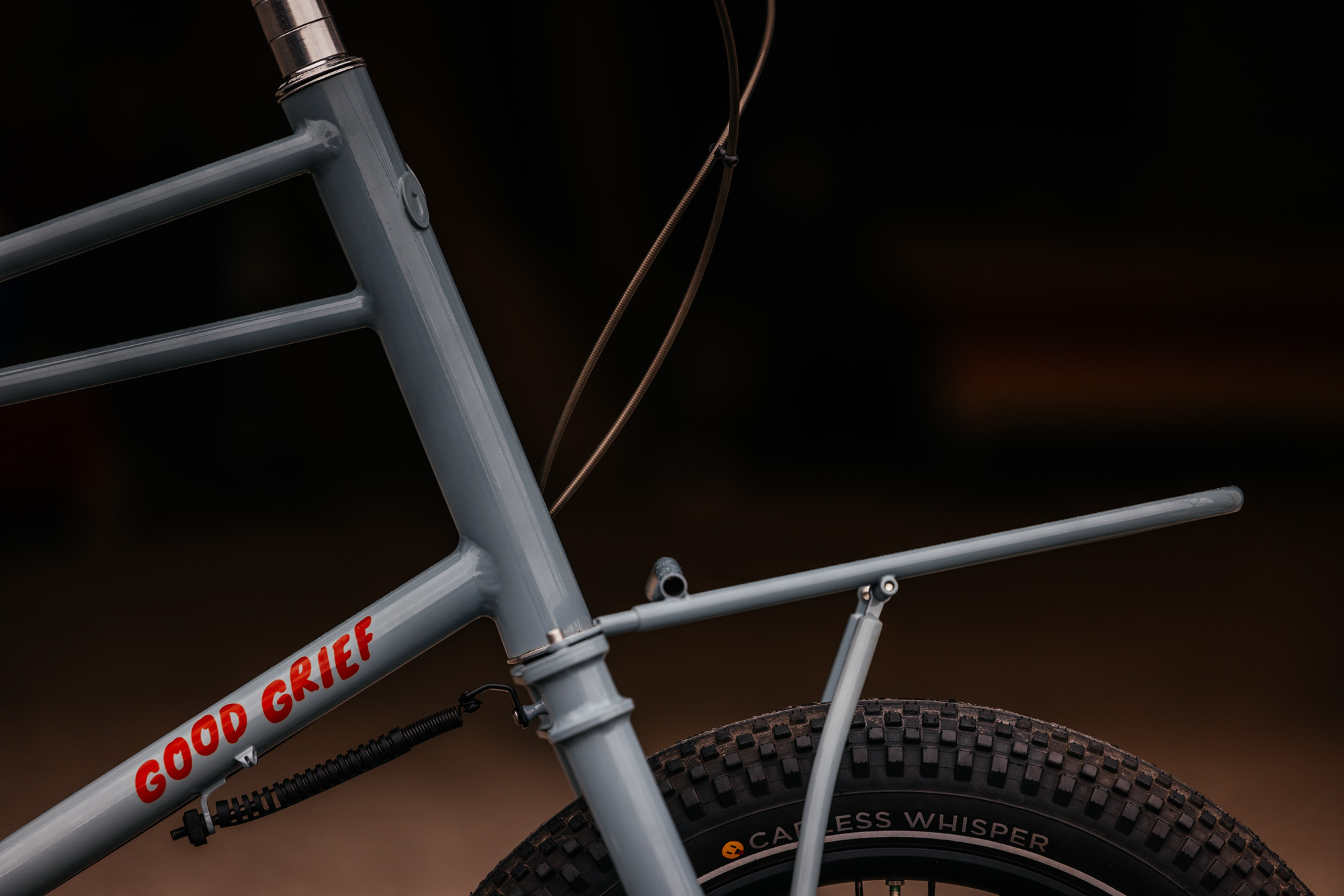
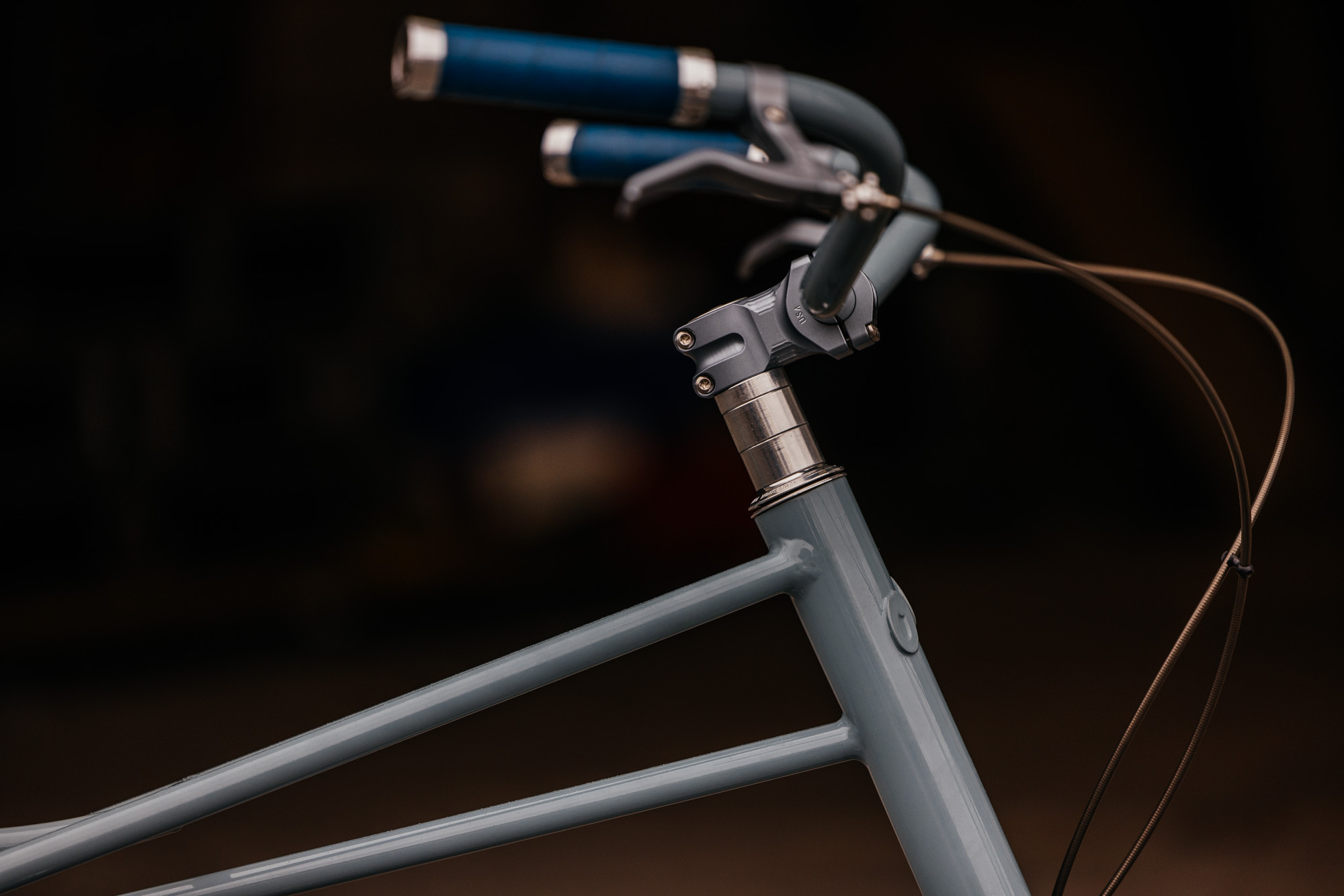
Good Grief, making "steel souls with wheels"
Meet the indigenous-owned, creativity-driven frame builder out of Colorado Springs.
Words: Tom Owen | Photos: John Watson
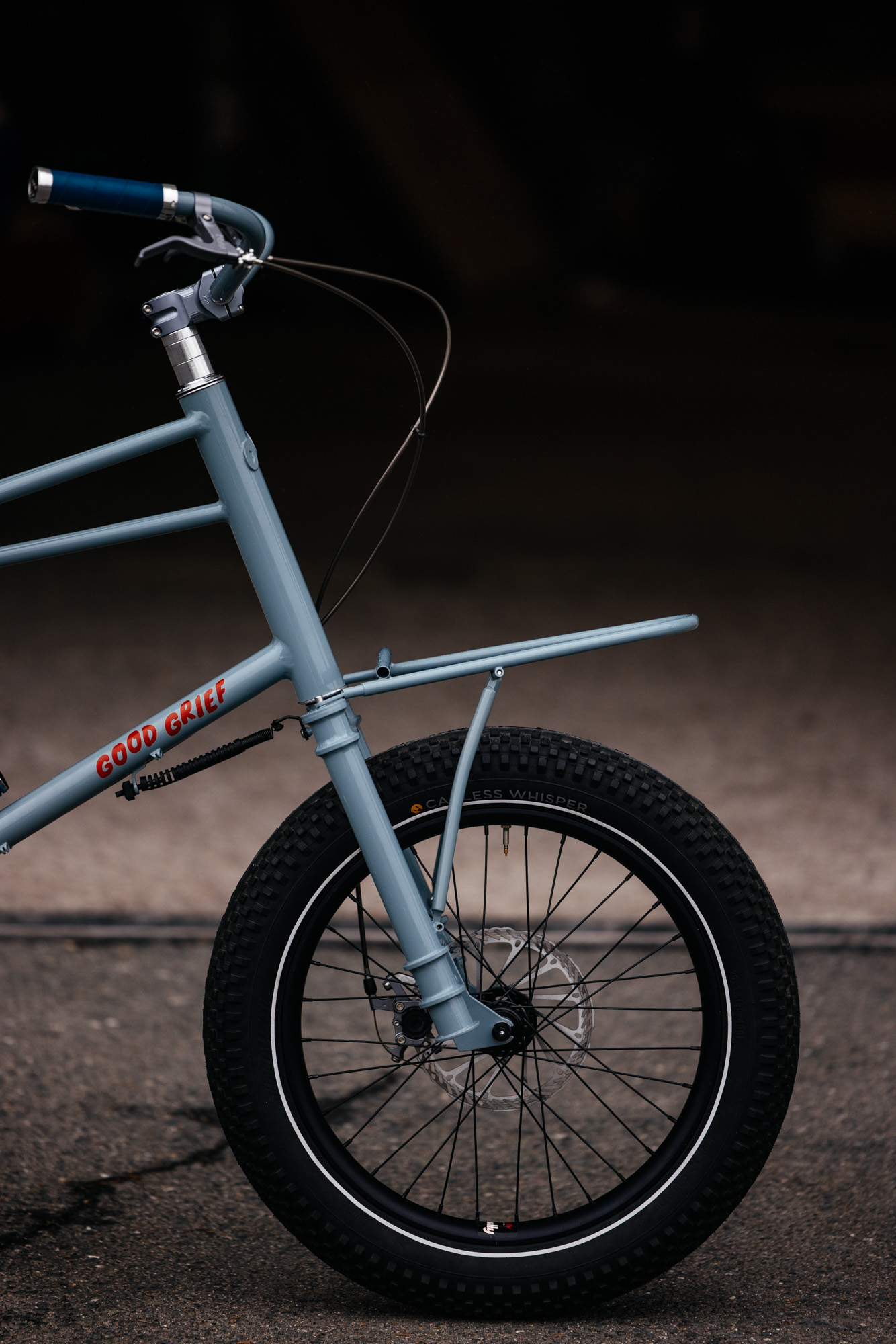
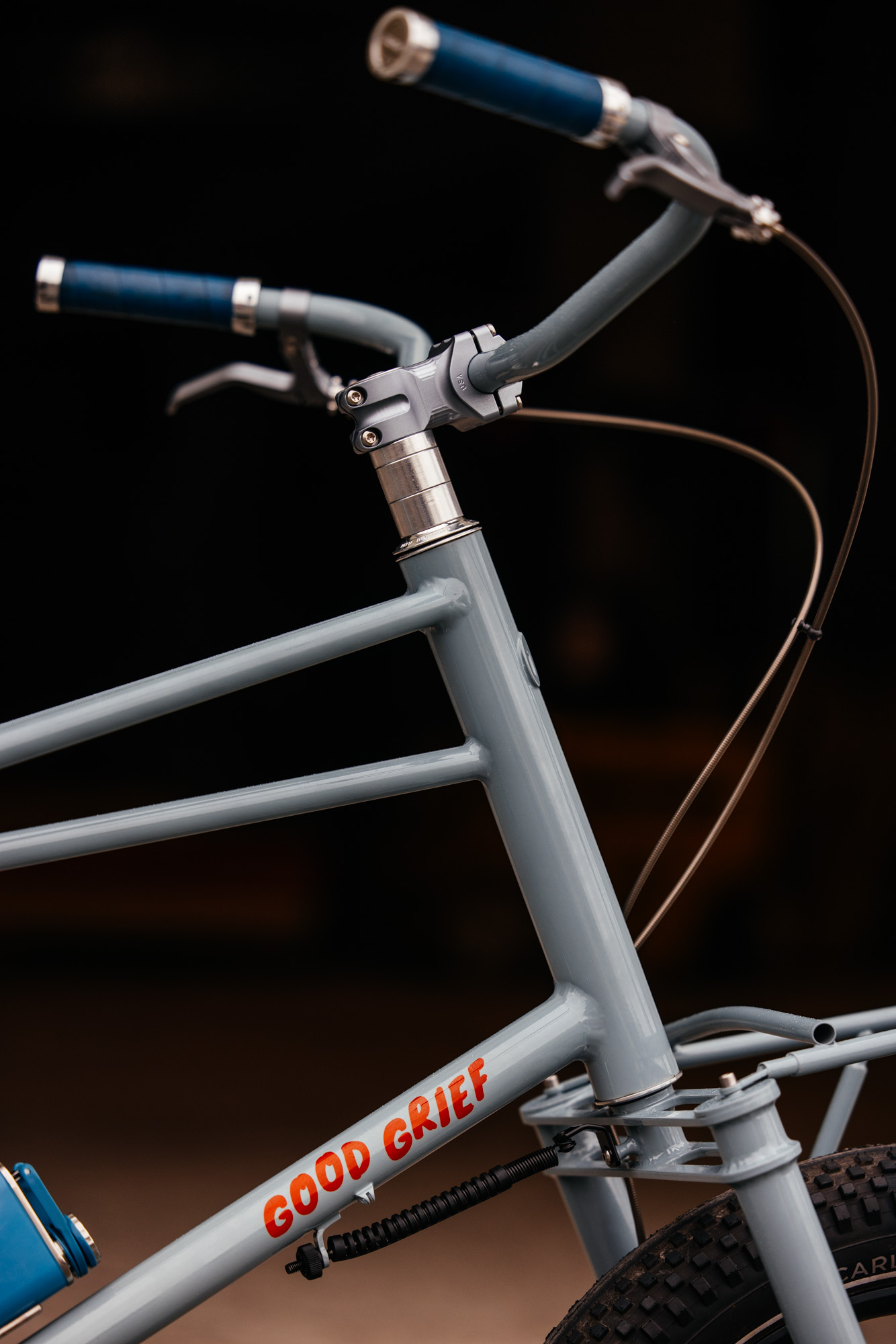
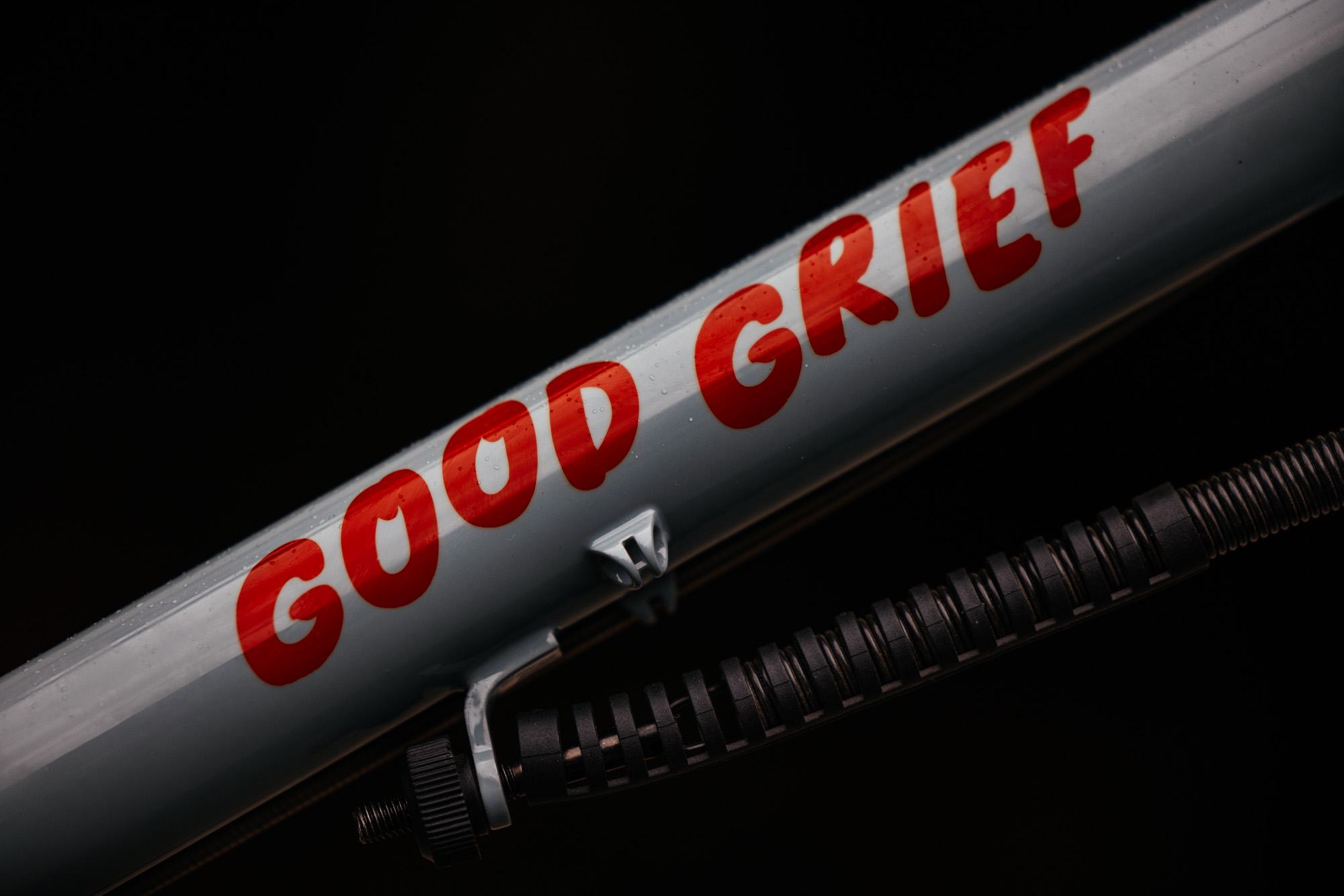
Good Grief is a frame builder based in Colorado Springs, USA. Founder Christopher Schmidt is Paiute-Shoshone and Zuni, making him one of a very small number of Indigenous Americans working in the bike industry. He first learned his craft some 15 years ago from master builder Koichi Yamaguchi, who himself built some of the raddest metal bikes of the past 50 years. After working as a mechanic for Team USA’s track programme, Schmidt switched to building in-house at Oregon’s Bike Friday. Then, in 2023 he branched out to build under the name we see him with today. That name, Good Grief, is inspired by the expressions of horrified surprise often provoked when other people find out about Schmidt’s preference for self-flagellatory, single-speed bike rides. When Good Grief came to exhibit at Bespoked this month, Brooks took the opportunity to speak with Schmidt about his craft, his ethos and his reasons for being in Dresden.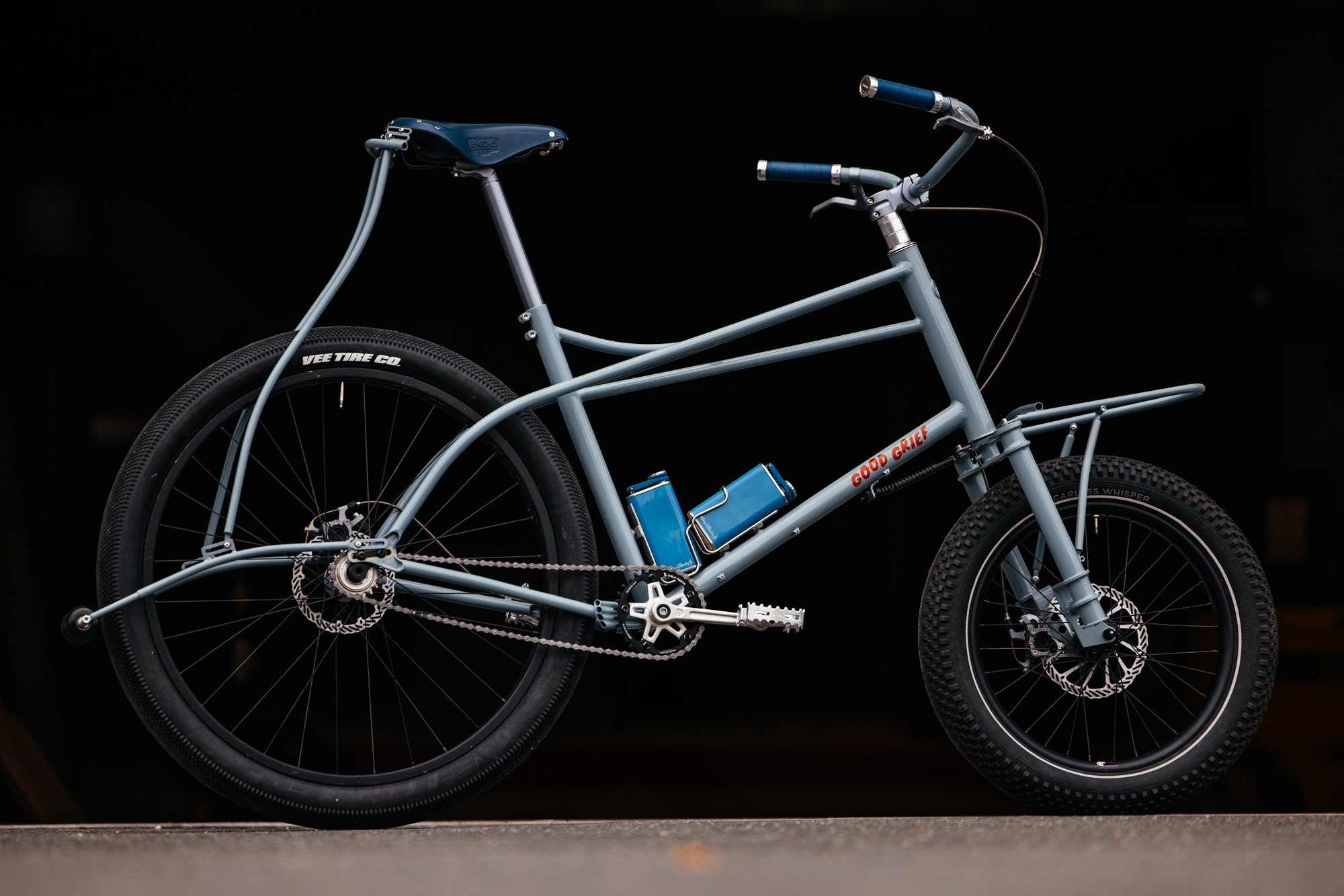
Why Bespoked?
I really appreciate the weirdness. I feel the vibe is a bit more artistic and creative than bike shows in the States, which seem aimed towards innovation and performance. That’s a very general statement; I don’t believe this is a bad thing at all, but personally love builders who are shedding industry norms and focusing less on these aspects and more on creative bikes that are fun to ride. I’m a firm believer that if you love looking at your bike and you love riding it, it doesn’t matter how fast it is, how aero it is, or how much it weighs. So ultimately it’s the people of Bespoked, not just the attendees of the event, but also the staff and exhibitors. I normally arrive to the show absolutely drained from finishing the bike (no matter how early you start the build, it always seems to drag out to the last moment before boarding the plane) and leave the show revitalised and ready to get back in the shop creating. That feeling is priceless.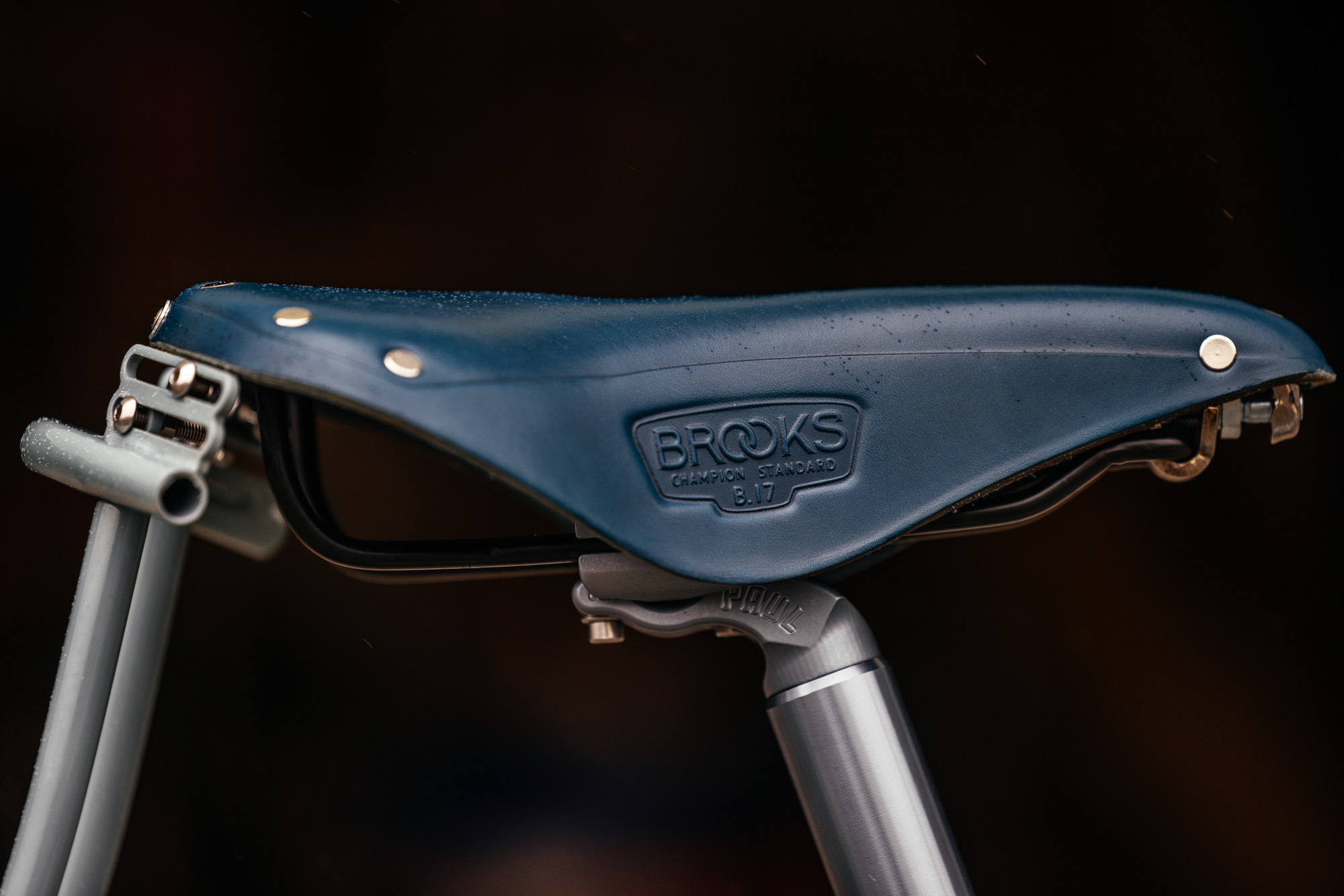
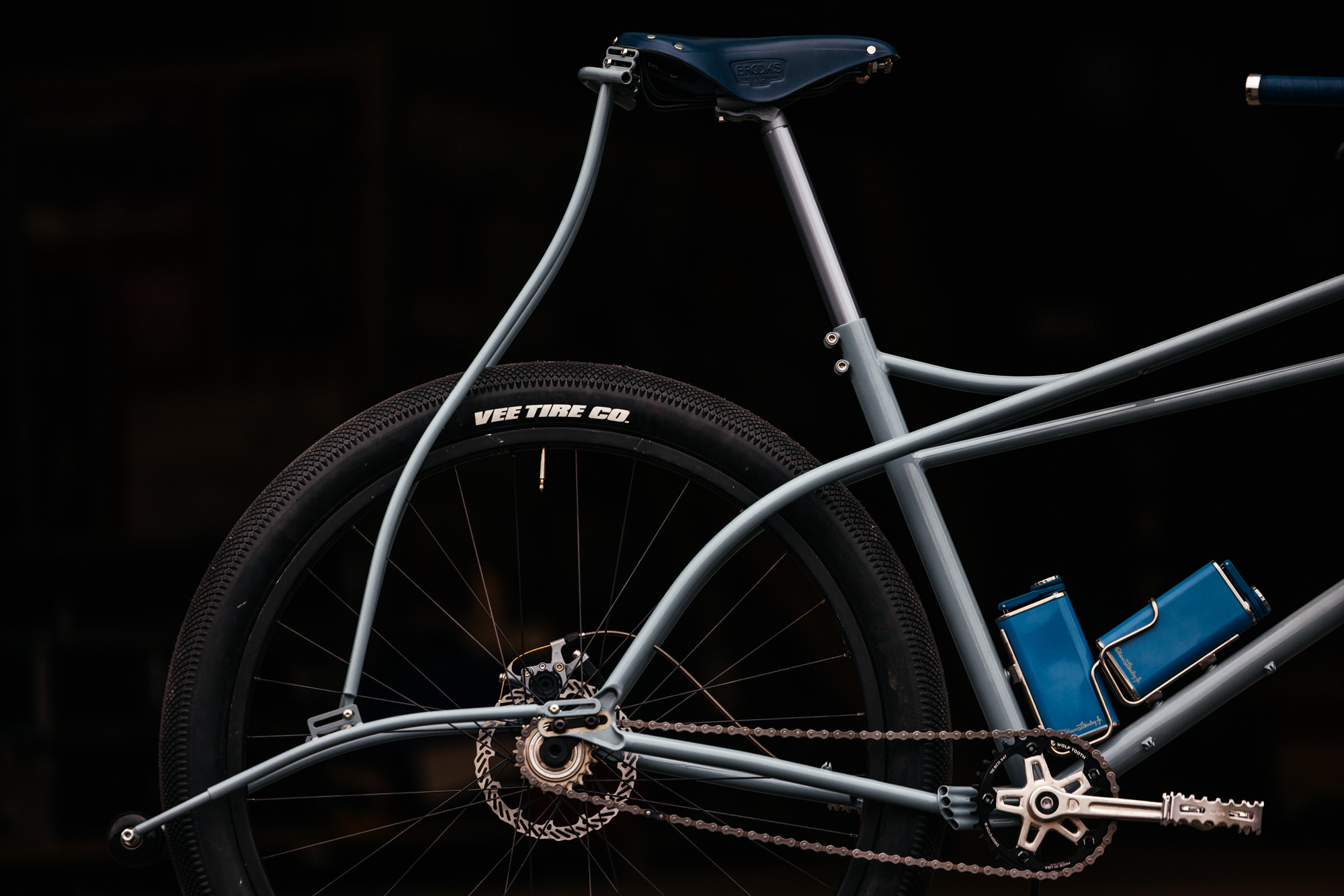
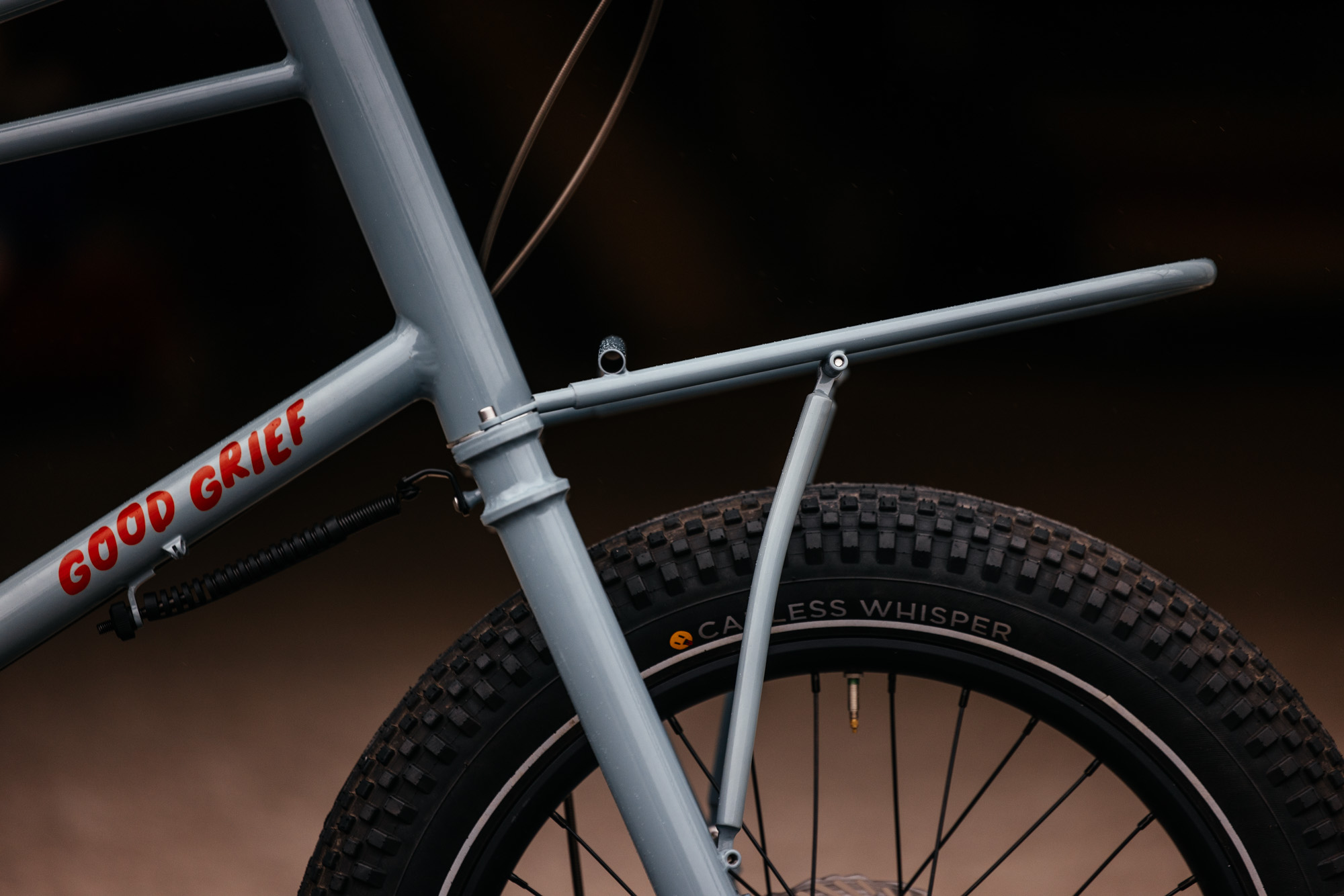
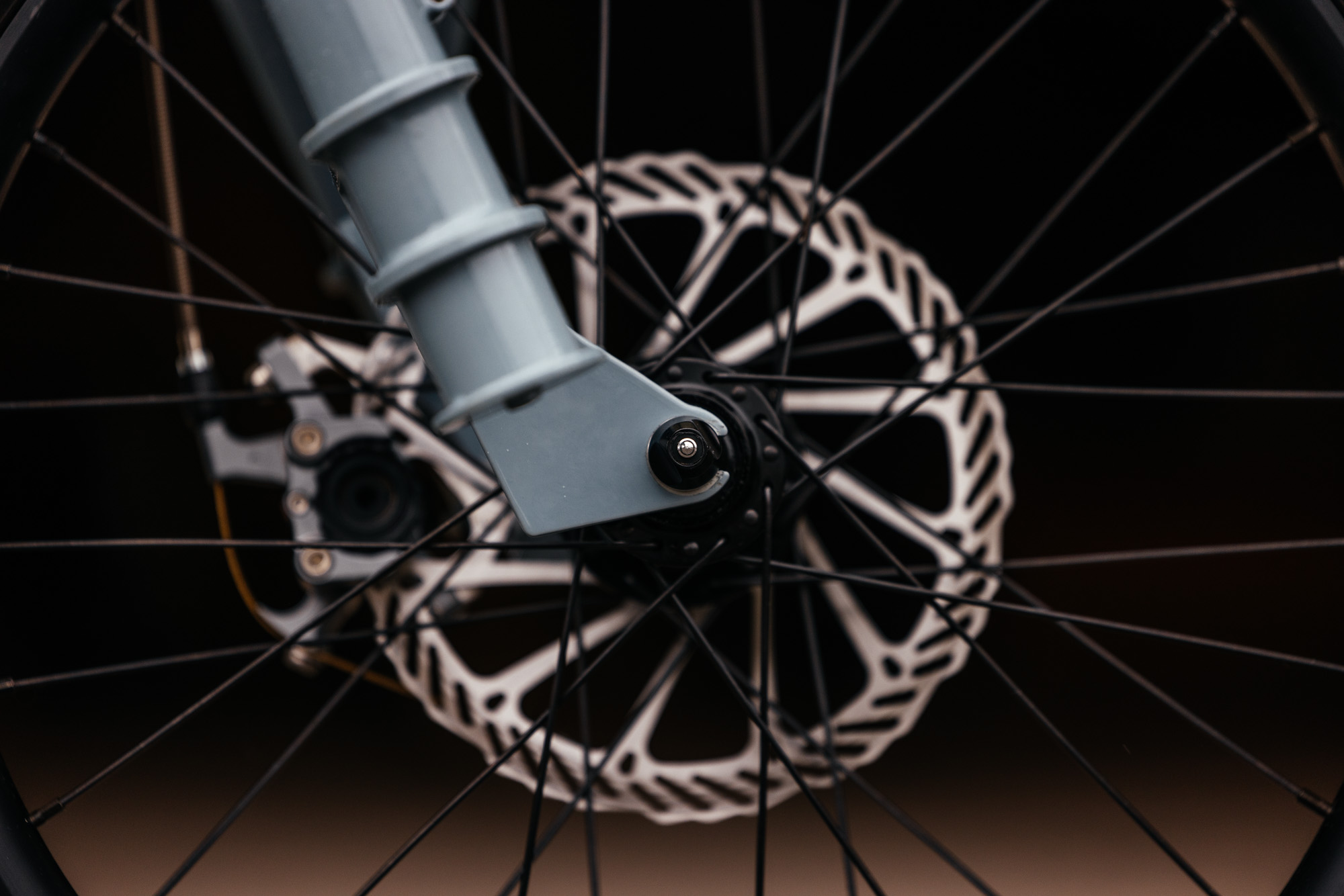
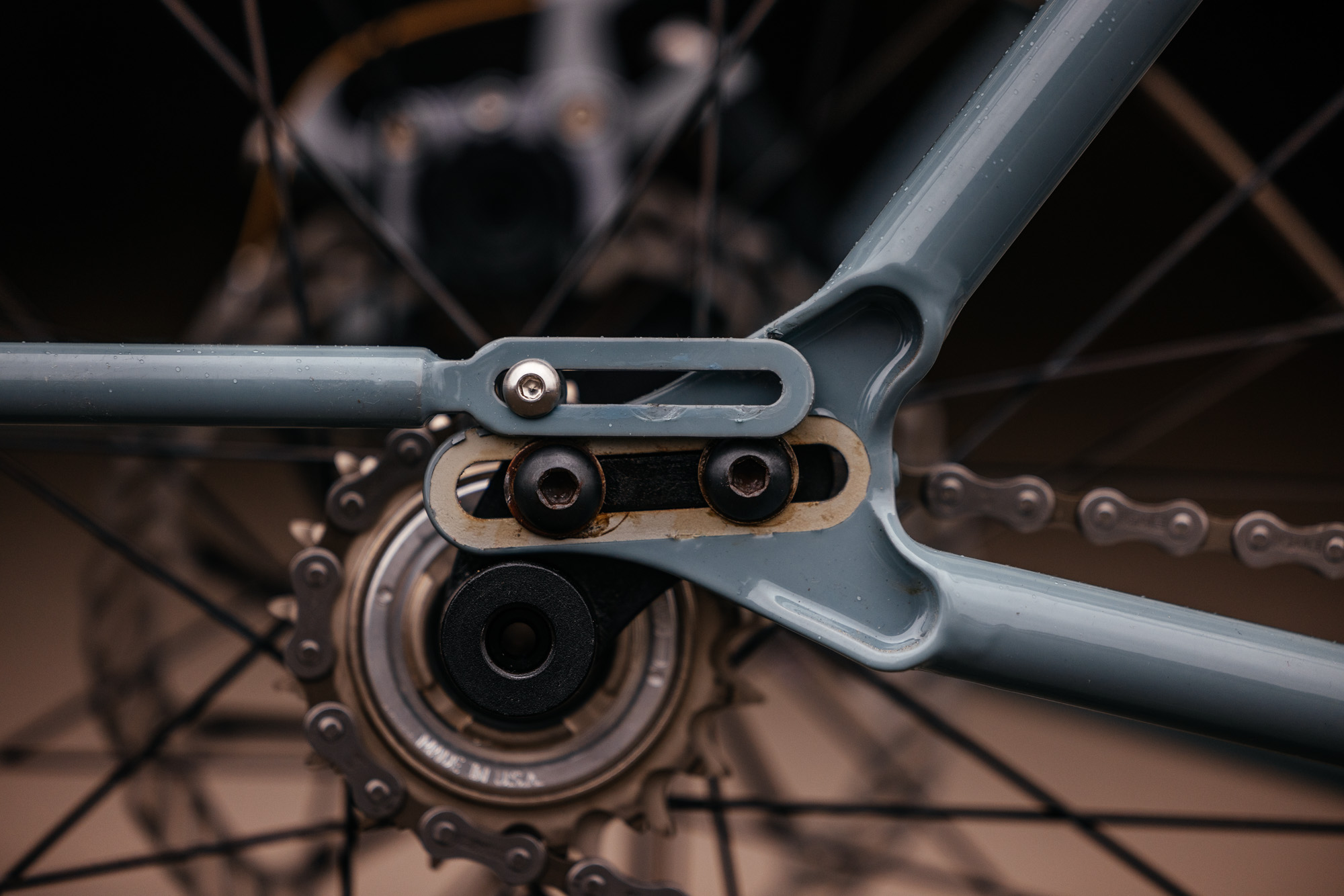
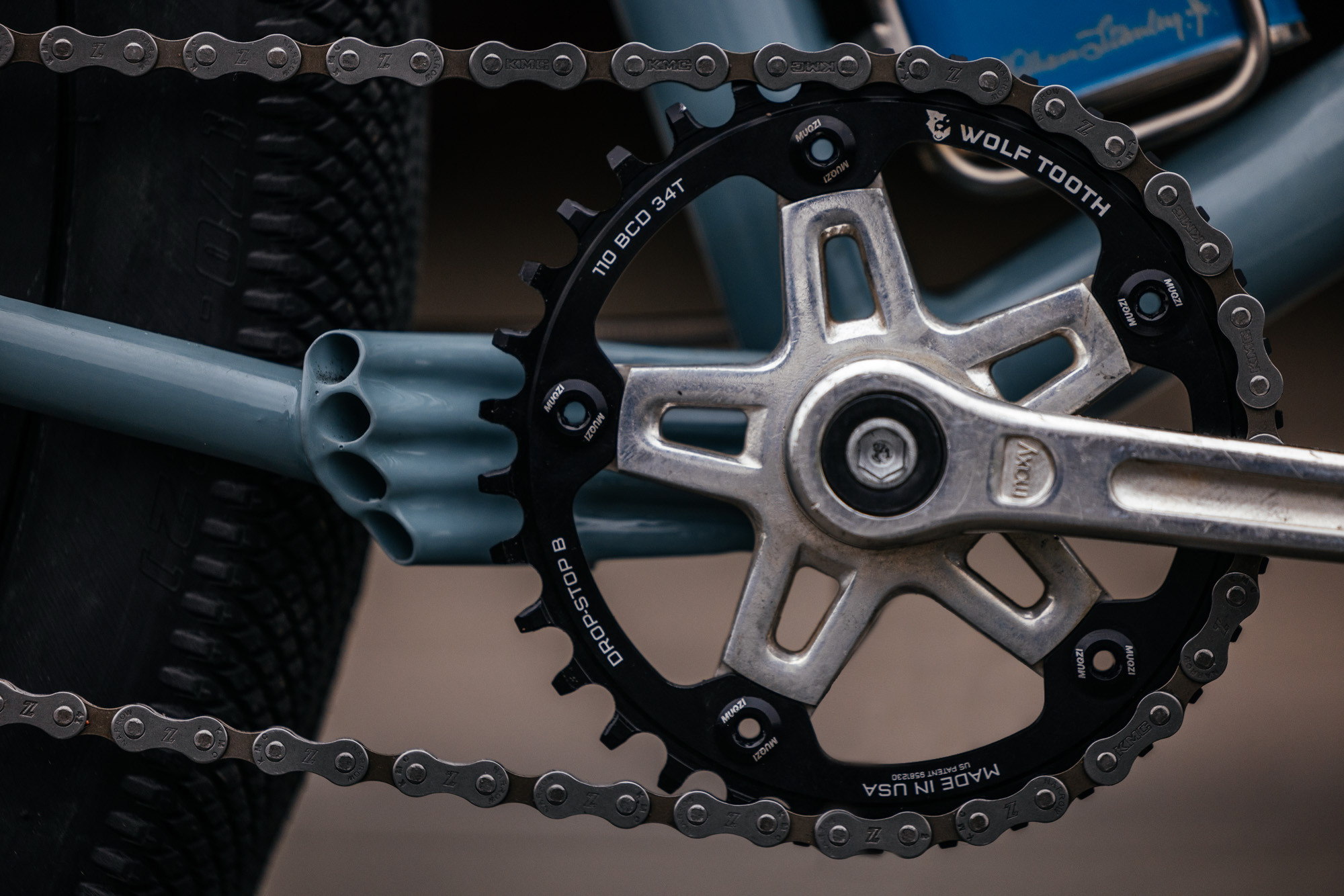
Why bikes? And more importantly, why frame building?
I find functional, utilitarian art to be one of the most rewarding endeavours. Bikes just make sense to me. I’ve never seen a bike as a piece of sporting equipment. They feel more like steel souls with wheels. I spent my twenties and early thirties as the mechanic for the national track team and after nearly a decade of travelling to velodromes across the world, endless nights in the team van, weeks in the wind tunnel chasing marginal gains, my own passion for cycling was beginning to drain. When I met my wife, Lolly, and quit my job with the team, we moved to Eugene, Oregon so I could build for Bike Friday and hone the skills I had acquired from Yamaguchi nearly a decade earlier. She has been the biggest “why” in my frame building. I have deep impostor syndrome and very low self-confidence. She’s gently helped me push past those fears and anxiety, and supports me and the business by handing all of our marketing and design. She helped me appreciate my own style and has pushed me to just be myself and love myself a bit more. I don’t think I ever would’ve branched out on my own. She’s my ultimate fan and partner. As cheesy as it is, love is my reason for frame building.